Common Causes of Incomplete Garage Door Closure
When a garage door refuses to close all the way, it can be a frustrating and potentially unsafe situation. Garage Door Fix experts identify several common reasons behind this issue, each requiring a different approach to resolve. One frequent cause is an obstruction in the door’s path. Even small objects or debris can trigger the garage door’s safety sensors, preventing it from closing completely. These sensors are designed to detect any obstructions and reverse the door’s movement to avoid accidents. Regularly checking and clearing the garage door’s path can often solve this problem.
Another typical culprit is misaligned sensors. Garage doors are equipped with photo-eye sensors on either side near the floor, which need to be perfectly aligned to function correctly. If these sensors are knocked out of alignment, the garage door system may interpret this as an obstruction, stopping the door from closing. A quick visual inspection to ensure the sensors are facing each other and are at the same height can often resolve this issue. However, more complex adjustments may require professional intervention to ensure they are properly aligned and functioning.
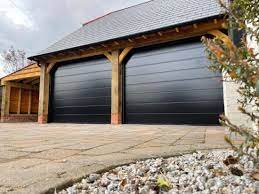
Mechanical issues within the garage door system itself can also prevent the door from closing fully. For instance, problems with the door’s tracks can cause it to get stuck. Bent or warped tracks need to be straightened or replaced by a professional to ensure smooth operation. Additionally, issues with the garage door springs can affect its ability to close. Springs that are too loose or too tight can hinder the door’s movement, making it necessary to have them adjusted or replaced by experts who understand the precise tension needed.
Another technical issue might be related to the garage door opener’s settings. The limit settings control how far the door travels when opening or closing. If these settings are off, the door might stop short of closing completely. Adjusting these settings can be tricky and often requires the expertise of a technician who can recalibrate the opener for optimal performance. Electrical problems, such as wiring issues or faults within the opener’s motor, can also contribute to incomplete closure, necessitating a thorough inspection and repair by a professional.
Addressing these issues with the help of experts not only ensures that your garage door functions correctly but also enhances the safety and security of your home. Regular maintenance and prompt attention to malfunctions can prevent minor problems from escalating into major repairs.